Team Coaching

Team Coaching

Becoming a High Performing Team

High Performing Teams take the time to grow together over weeks or months, not just a single session.
Team Coaching is for those teams that want to keep showing up for each other, who make time for what is going on between them, revisit it when things get busy, and encourage each other while they learn and try new things.

Sometimes that process is very focussed, just a couple of weeks to tackle one specific topic or behavior. Sometimes is a longer, dedicated process where you carve time out of your busy schedule to focus on the team instead of the task.

Check-out some of our team coaching journeys below, or schedule a call to discuss your team in person. 
How much time do you have?

2 Months — Short & Focused

A tight loop to get moving.

We combine a live team session with small homework assignments and a follow-up sessions in smaller groups. It is a very cost effective way to ensure the team is practicing with te work over a longer period of time without it becoming a big thing. It gives you enough time to try something new and check back in with your colleagues.

3 Months — Balanced

Our client favorite for a team journey, especially for distributed and remote teams.

We start with virtual kick-off, getting the entire team in the room to discuss the program. Then everybody gets an individual DiSC or 5 Behaviors assessment and a personal debrief call to dive in and create a common baseline for when the team meets live for one or more days together. This process is followed by small homework assignments in pairs and a virtual or live follow-up session. All in all it is a very powerful mixture to develop healthy team dynamics.

6 Months — Deeper Work

Room to work through a full model, layer by layer.

Ideal for working through something like The Five Behaviors™ over a longer period of time, or combining several tools as the team's needs become clearer. This program is best for smaller leadership teams who are willing to do the work to deep-dive with each other. Consider taking the time to work through every layer of the 5 Behaviors with your team. Starting with developing trust and psychological safety, then spending time to really understand how each of you interacts in strong debates and constructive conflict. Followed by time spent on how do we actually make our decisions and how can we ensure everybody is on-board and aligned? Etc, etc.

Quarterly — Ongoing Rhythm

A steady cadence rather than a fixed end point.

Sometimes all you have is half a day every quarter of the year. That is where this program comes in. We facilitate one dedicated session every quarter to keep momentum going. We build that session together with the participants en in doing so you'll revisit what's working, build the next session on the shoulders of the previous one and keep growing as a team over the longer term. In the daily rush at work, time for the team gets squeezed and you have to protect and schedule those precious moments where you pause and take time to look at how are we doing as a team.

Progressiegericht werken

Teamcoaching

Our foundation for team coaching: a solution-focused approach that combines hands-on activities with meaningful conversations. We help your team recognize what works, clarify what you want to improve, and choose practical next steps—while preserving what is already valuable.

What would you like to become easier in your team? Speaking openly, asking for help, making decisions, or following through on agreements? Taking time to explore these questions together helps you understand what needs attention and what you can build on.

Through shared activities and guided conversations, you explore how you work together. There is room to discuss what is difficult, describe what better would look like, and learn from moments when you already get it right. You then choose a small step to try in everyday work. In the next session, you reflect on what changed, what helped, and where to go from there.

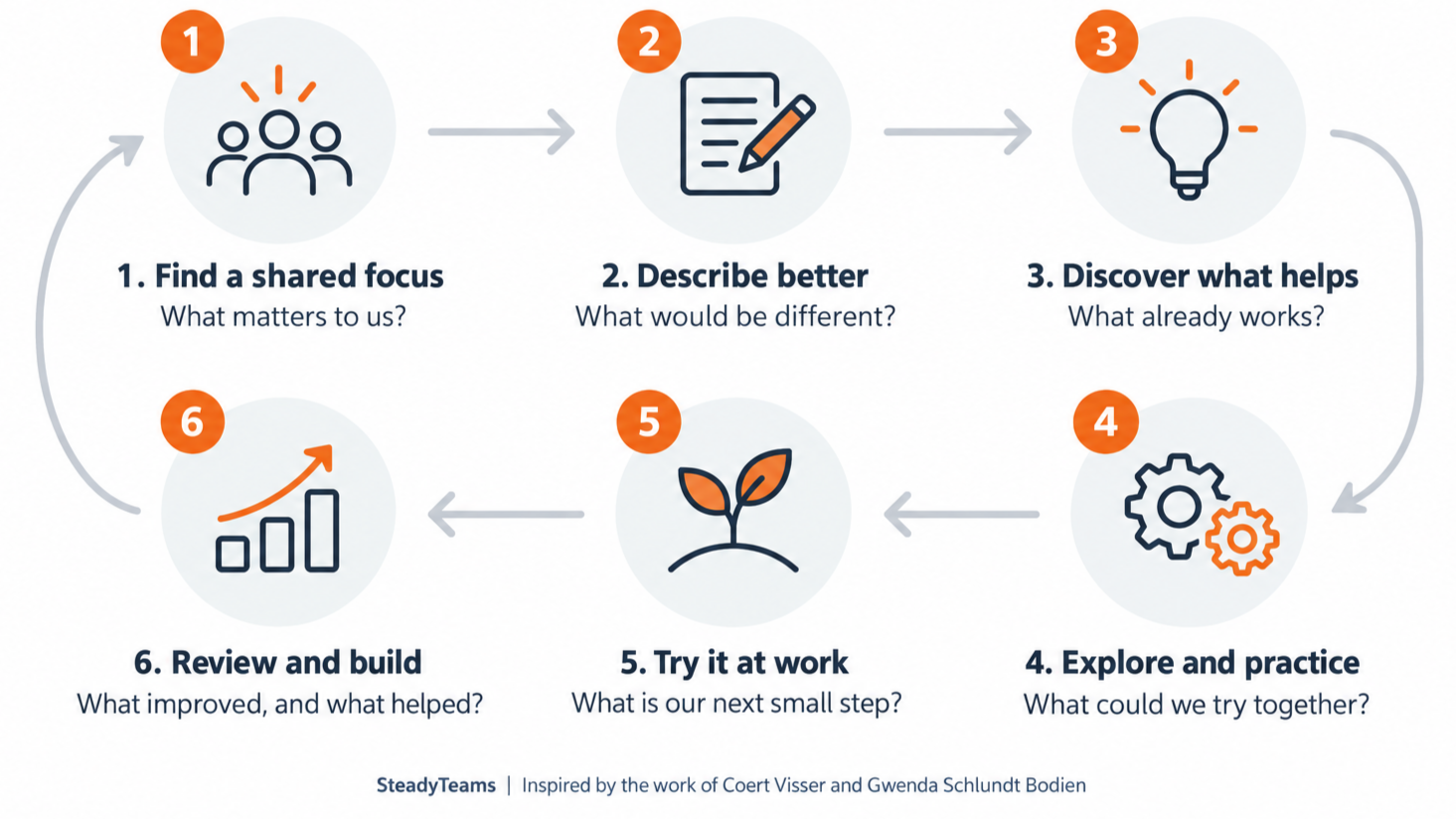
6 Steps for Progress Focused Teams

What deserves attention, and what would make coaching useful? Give everyone room to contribute before settling on a shared focus that would be worthwhile for the team to focus on.

Explore the current difficulties enough to understand what matters, then discover how you want to work together instead: If this became better, what would we be doing differently? What would colleagues notice in your meetings, decisions, or everyday interactions?

Look for moments when the desired way of working already happens, even partly. Explore what people did, what conditions helped, and what you want to preserve. Different team members may notice different strengths.

Between sessions, use everyday work as an opportunity to experiment. Try a different way of approaching a meeting, a conversation, or a shared task. Notice what helps, ask each other for feedback, and bring those experiences to the next session.

Agree on a small, meaningful experiment in everyday work. Clarify each person’s contribution, the support needed, and when you will check back. Keep the step within the team’s influence.

Return to what happened: what improved, what contributed, and what remains difficult? Decide what to continue, adapt, or try next. Also check whether the coaching itself remains useful and whether the team can continue independently.

Choose a Lens

There is a reason you want to make focused time for your team. Perhaps something needs attention, your team is facing a change, or you want to build on what already works well. Team coaching gives you space to explore that together and turn the conversation into practical steps.

Our progress-focused approach is the core of every coaching journey. A framework such as the Scale of Cooperation, DiSC, or the Five Behaviors can add a particular perspective on your team. Below are three lenses that we can use individually or combine around your team’s needs.

SteadyTeams is a certified Scale of Cooperation partner.

Scale of Cooperation

A Roadmap for Teams

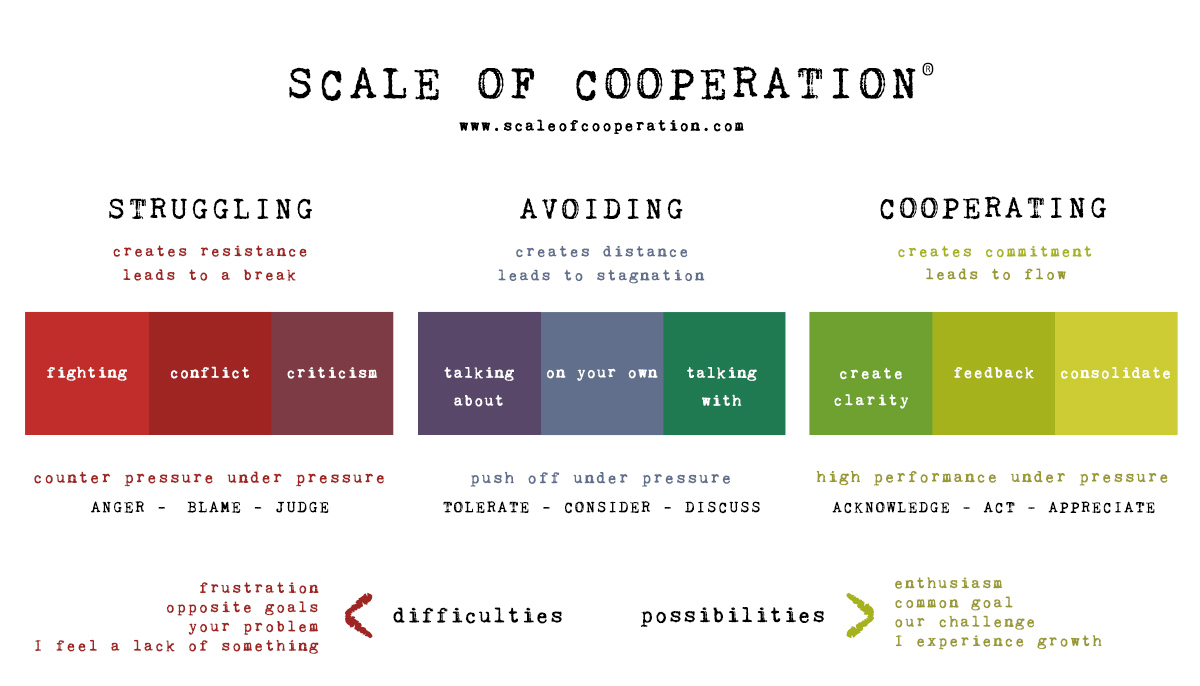
The Scale of Cooperation is a roadmap that helps teams quickly understand how they are working together. Wherever you find yourself on the scale, there are always options to move forward.

How is it possible that one team ‘runs like clockwork’ while another ‘doesn’t function at all’? With the scale in hand, your team discovers the nuances and can talk about what is really going on. Together you define what is going well, and how to shift, in small steps, towards a better team culture.

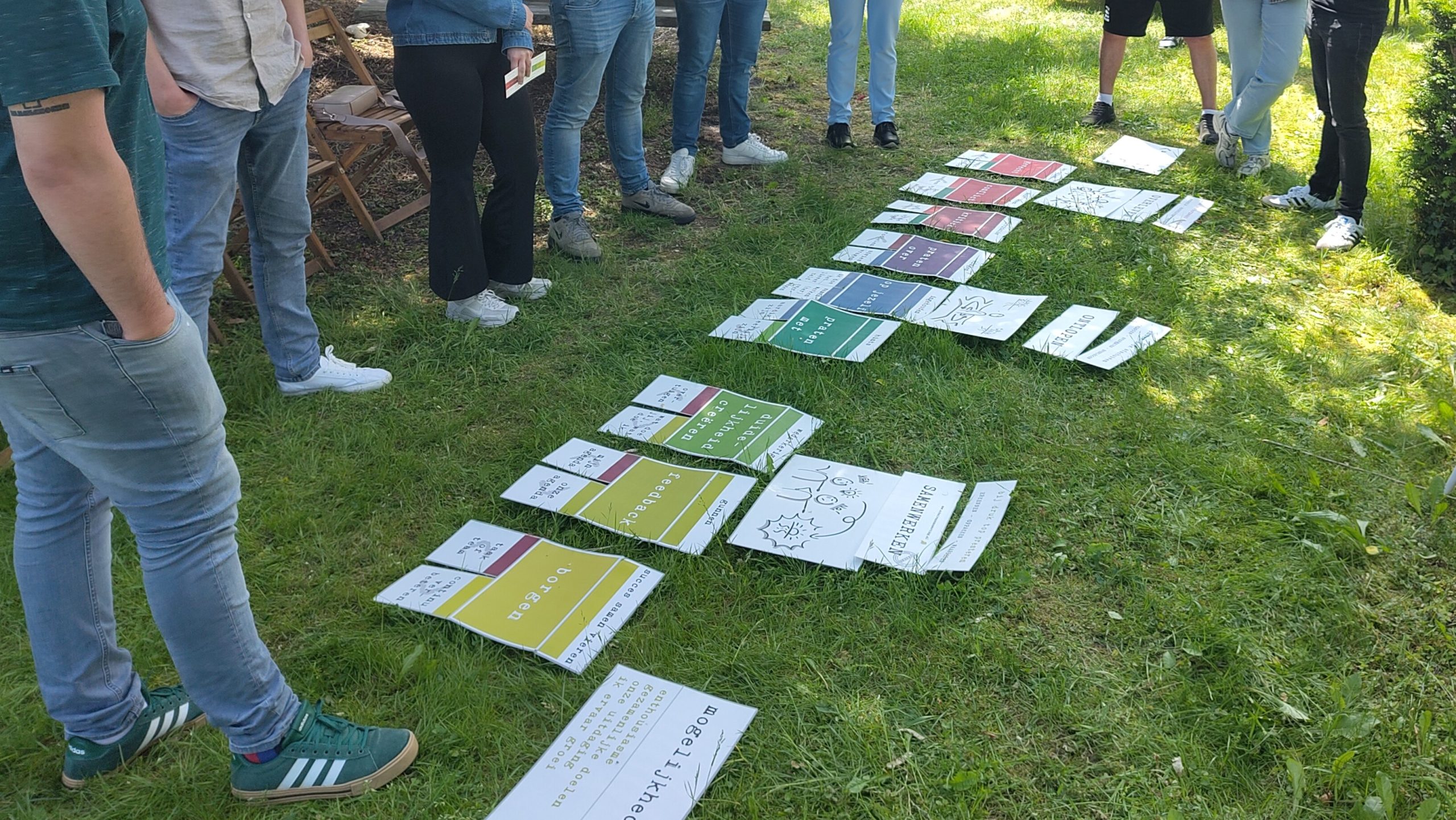
Our way of coaching with the Scale of Cooperation is very experiential. We mix team challenges with exploring the scale, giving your team a shared, visual language for how people work together—from struggling and avoiding to genuinely cooperating.

Everything DiSC®

Communication Preferences

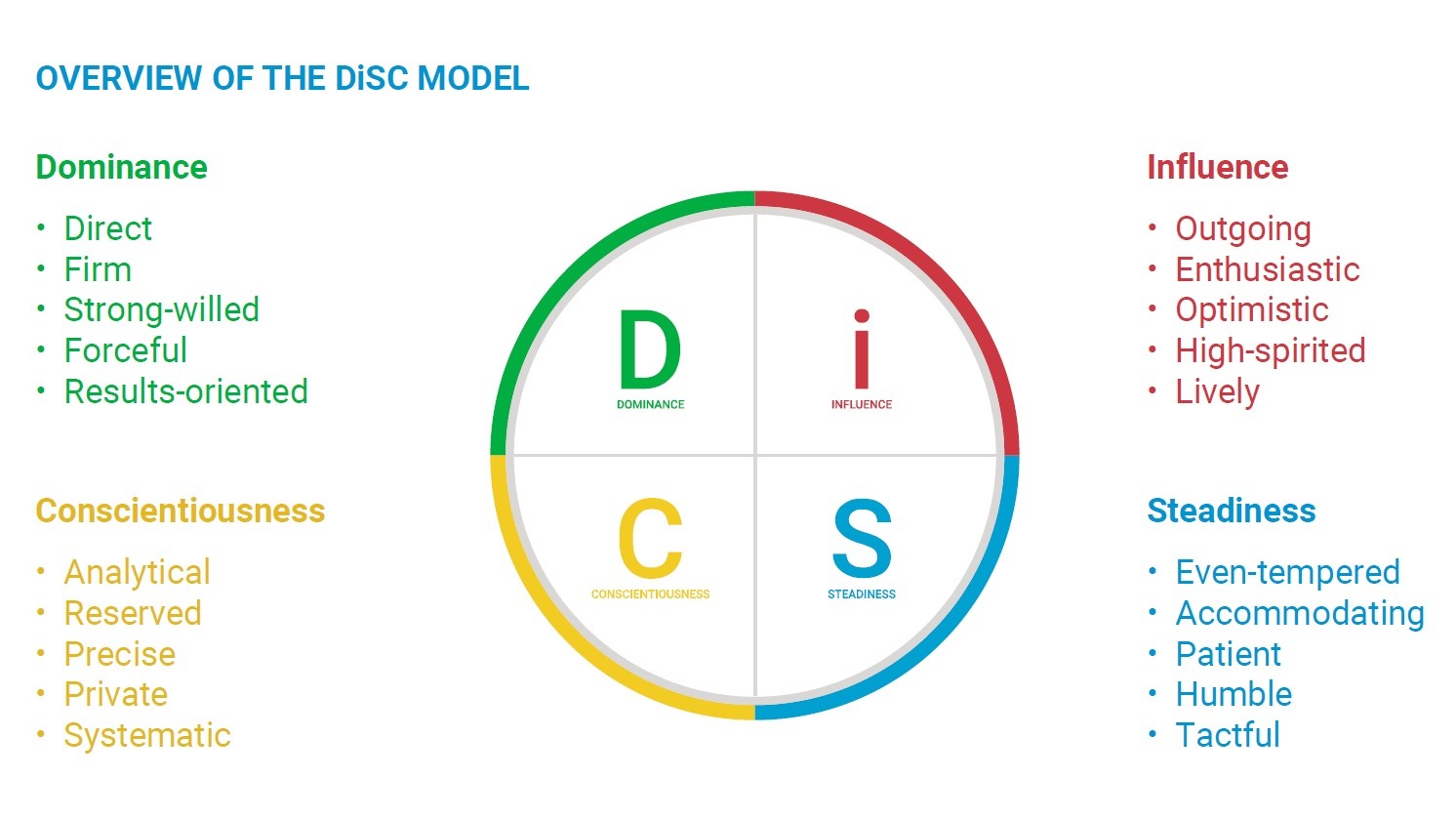
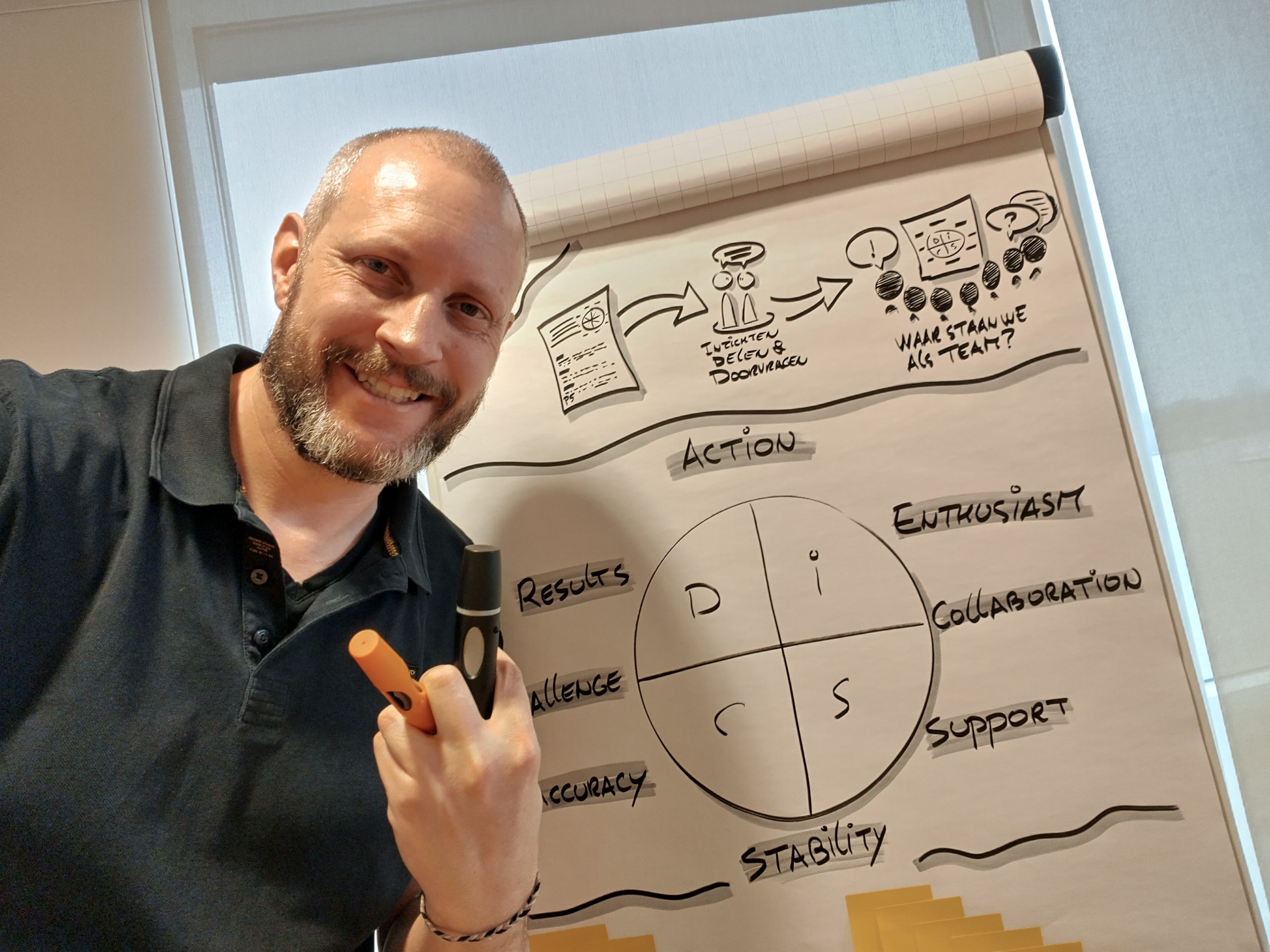
Team coaching with DiSC helps your team understand how different preferences influence the way you work together.

Groups who work on these skills together connect more openly, appreciate their differences, and develop the psychological safety needed for high-performing teams. Across sessions, you connect those insights to real situations, try different approaches, and reflect on what improves your collaboration.

  • Greater understanding and appreciation: Recognize what colleagues bring and why their approach may differ from yours.
  • Clearer communication: Explore how to adjust your pace, level of detail, and way of involving others.
  • Practical working agreements: Turn insights into shared expectations for meetings, feedback, decisions, and everyday cooperation.

The Five Behaviors®

Building a Cohesive Team

Strong teamwork depends on more than good intentions. The Five Behaviors give practical insight into where your team can perform better.

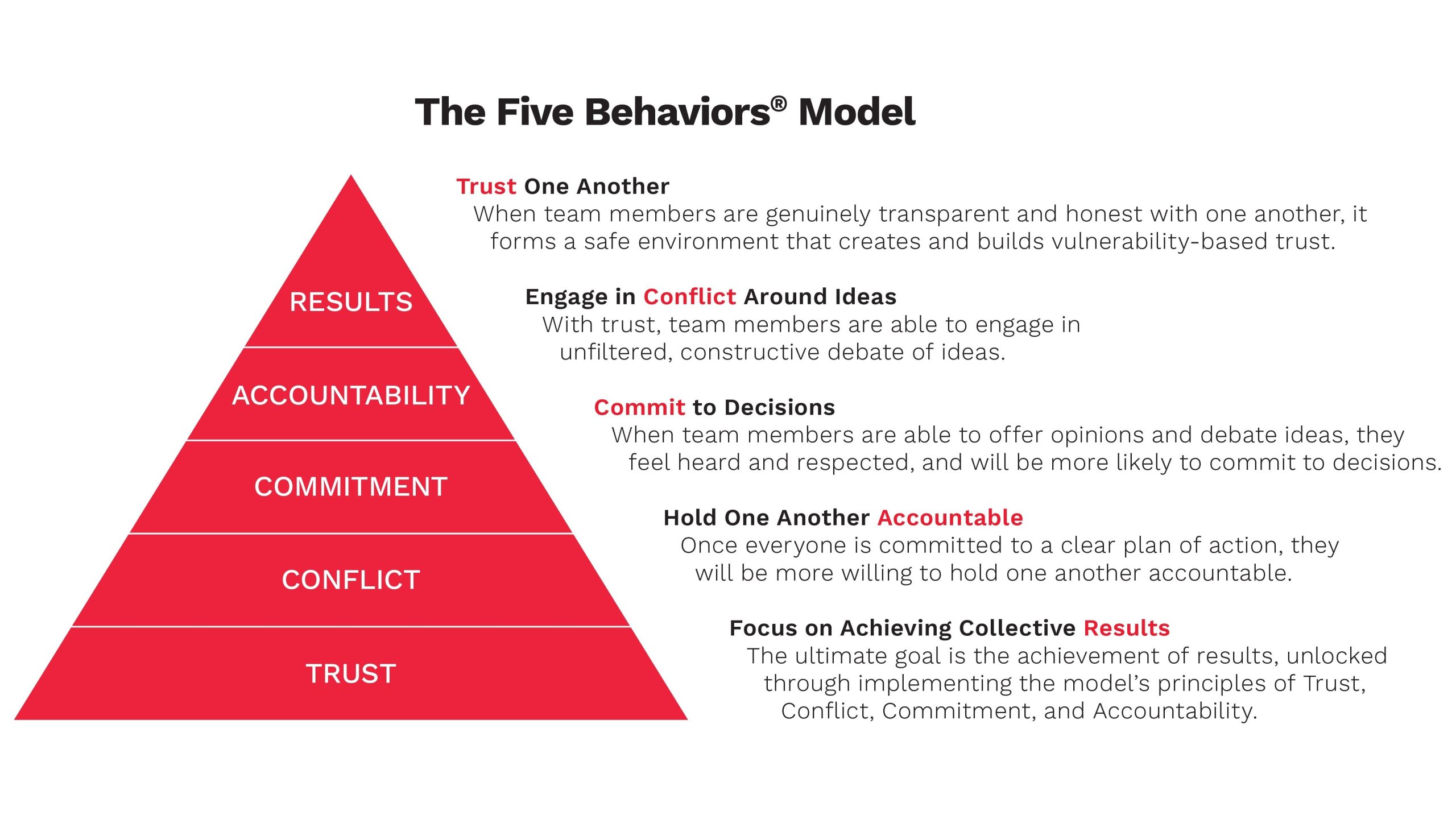
We use the model to help teams look at their own collaboration, talk about what is working and what could be stronger, and turn those insights into practical changes. The model builds layer by layer—trust, conflict, commitment, accountability, and results—so every layer has a solid foundation before we build the next.

Your team gains:

  • A shared understanding of the behaviors that shape teamwork
  • More open conversations about trust, conflict, commitment, and accountability
  • A clearer view of where to focus to strengthen the team and achieve results together

Get in touch

Connect for a free strategy session, no strings attached.
You can complete the contact form below or schedule a call directly into my calendar.
I’m looking forward to speaking with you.

Contact form

Homepage Contact Form

Sometimes you just need to talk through how your team is doing.

This free session is for leaders and HR professionals who want to reflect on their team, explore challenges, or consider options for support.

Bring your thoughts. I’ll bring questions, perspective, and possible ways forward. It’s a simple way to see what’s possible and whether working together could help.

SteadyTeams VOF

Biddinghuizen
The Netherlands

0031 (0) 611429872 (Signal / Whatsapp)
info@steadyteams.com

SteadyTeams | Team Coaching